
Tuesday, October 7, 2014
Spencer Tanner Winn born 7 Oct 1920

Monday, August 4, 2014
Anna Rozella Forsgren Palmer Childhood

Anna Rozella Forsgren
Palmer
4 August 1888 – 8
December 1967
Anna, the second child of Eli Forsgren and Francis Mary
Smith was born on August 4, 1888. She had beautiful brown eyes and black
hair. She was taught to work and
do it well. Also, to build for the
future. Eli, with others, worked long years to bring water to the higher land
and when Anna was thirteen years old, on her birthday, they all went up to the
banks of the canal to see the precious contents—water. This was to quench the thirsty dry
farms. The farms yielded too, in response to the people’s untiring efforts, and
Riverdale Idaho began to blossom as a rose. How they worked to care for their produce. They would keep
the milk in pans until the cream came to the top, then to skim the cream and store
it until it was ready to churn into butter, then to mould it into pound rolls, wrap
it in paper with their name written on the wrapper. This name on the butter meant the same as the name or brand
on food today, and was just as important in selling the product. Then with their eggs and butter they
would travel to Preston in a buggy or wagon, some seven miles distance. At the grocery store they would
exchange their produce for items they needed. Anna and her siblings always looked forward to the sack of
candy the grocer would place in their groceries. For weeks before Christmas
they would save this candy so as to have enough for the holidays.
Notwithstanding the hard work, they were a happy family enjoying
the association with neighbors, friends and relatives. Many a winter evening
the grown-ups played card games such as “Hi Five” and “Rook”, while the
children went sleigh riding, played house and “raised the devil.”
Eli and Francis were strict with their children, they
weren’t allowed to associate with anyone with a questionable character.
Drinking and smoking placed people in this class. If a girl was to make a
mistake of losing her virtue, she was ostracized from society. The other girls weren’t
even allowed to speak to her. Thus,
Anna was raised to look on those things as real sin, and served as a background
for standards by which she taught her own family.

Remembering Kevin Spencer Winn
by Loni Ford Winn & Vance William Winn
“My older brother Kevin had a very active mind. He didn’t think like
the rest of us. He always noticed the funny in anything. One summer day
just across the driveway from our raspberry patch was a performance
stage Kevin had made. He decided to do a magician’s trick and so he
stuck little Bob in a makeshift playhouse made out of straw. He had a
little trap door set in the back so that Bob could move away, then he
stuck a piece of bacon out there so I and all the other little kids
would think he had turned Bob into a piece of bacon. When he lifted up
the canvas top Bob was gone and the bacon was there. Then our dog Laddie
came running in and ate the bacon in one bite. All the little neighbor
girls (Robin Shaffer and the Bowen’s) when running home crying thinking
the dog ate Bobby. Kevin got in trouble but that’s just the kind of guy
he was, he was always thinking out-of-the-box and was funny. He always
had a funny thing to say or different take on the situation.”

Remembering Amanda Matilda Johnson Nilsson born July 14, 1864.
Amanda Matilda Johnson (1864-1940)
By Ada N. Ford her Daughter
By Ada N. Ford her Daughter
Amanda Matilda Johnson was the first child born in North Bend, now
known as Fairview, Sanpete County, Utah on July 14, 1864. She was the
third child in a family of six children born to Carolena and August
Johnson who had immigrated to Utah from Jonkoping, Sweden. Because of
Indian hostilities in this area the family moved to Salt Lake City in
October 1865 it was there that Amanda spent a happy childhood.
Amanda, always eager to learn, attended school whenever one was available. Her teachers were often well-educated ladies from the East who made a deep impression on her. She especially enjoyed attending dramatic presentations in Salt Lake Little Theater and at times have roles in the plays given there.
Intuitively Amanda loved people. As a child she spent many hours with neighborhood children reading to them, organizing games and plays and reciting poems often of her own composition. She loved to pick the wildflowers that grew along the city creek near her home. She loved the stately mountains and the shimmering waves on Great Salt Lake.
During her early teens Amanda often visited her married sister who lived in Monroe, Utah. This Salt Lake City teenager was quite possibly the most vivacious person ever to visit this hamlet. She had a zest for good, plain fun quite alien to the Victorian sentimentality of that day. Her smallness of statute was compensated by flashing responses made more striking by her dark hair and pale, clear skin. These qualities made her the central focus of most any group. This prominence became a lifelong habit and was an inherent part of her nature.
Amanda, always eager to learn, attended school whenever one was available. Her teachers were often well-educated ladies from the East who made a deep impression on her. She especially enjoyed attending dramatic presentations in Salt Lake Little Theater and at times have roles in the plays given there.
Intuitively Amanda loved people. As a child she spent many hours with neighborhood children reading to them, organizing games and plays and reciting poems often of her own composition. She loved to pick the wildflowers that grew along the city creek near her home. She loved the stately mountains and the shimmering waves on Great Salt Lake.
During her early teens Amanda often visited her married sister who lived in Monroe, Utah. This Salt Lake City teenager was quite possibly the most vivacious person ever to visit this hamlet. She had a zest for good, plain fun quite alien to the Victorian sentimentality of that day. Her smallness of statute was compensated by flashing responses made more striking by her dark hair and pale, clear skin. These qualities made her the central focus of most any group. This prominence became a lifelong habit and was an inherent part of her nature.
Sunday, April 20, 2014
Marilyn Winn Green 1945-2009
 |
| Marilyn 2009 |
 |
| Marilyn 1964 |
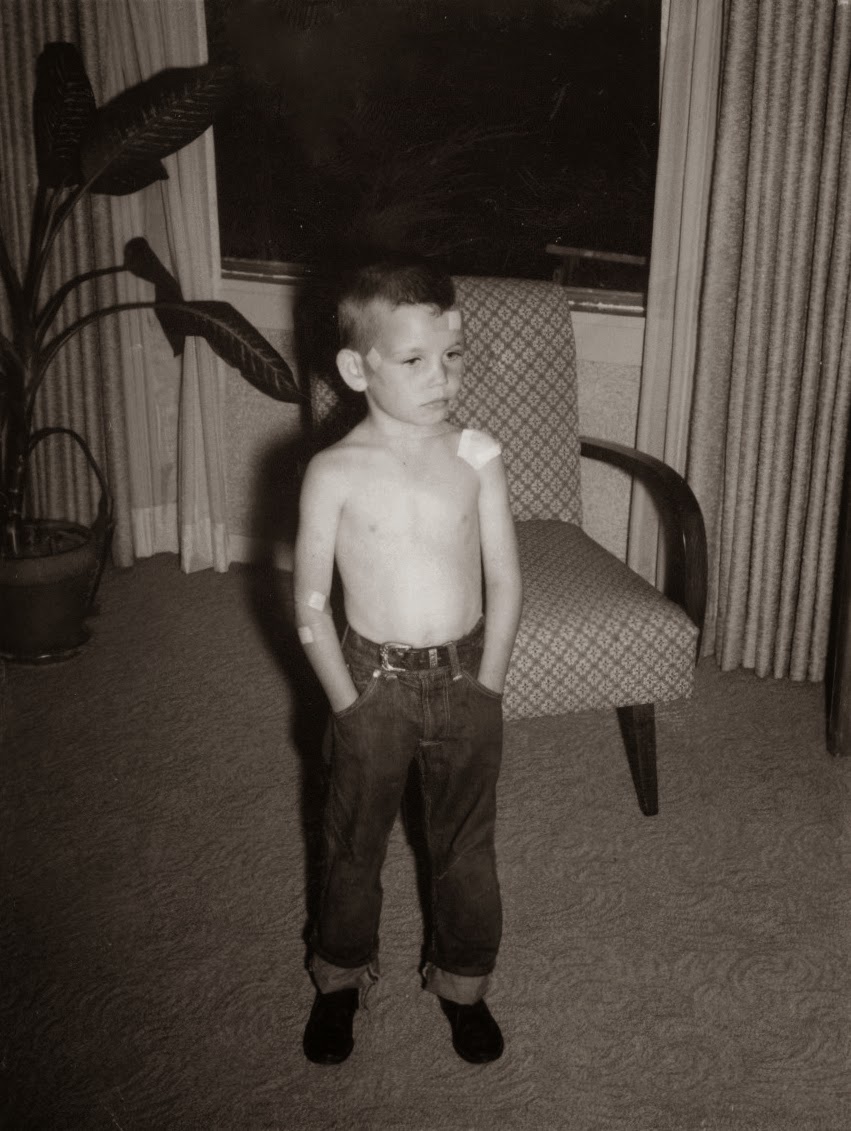 |
| Vance after he ran through a window |
Marilyn was very popular in Preston among her classmates and her friends. She always took time to style her hair and wore the most fashionable clothes, which always looked really good on her. She kept her room clean and tidy. She also learned shorthand and Vance wondered how she knew what it said because it looked like a foreign language to him. If there was an award for the most likely to succeed of the seven siblings, Vance said Marilyn would have won it.

One of the main reasons we moved from Idaho to Utah in 1987 was because of Marilyn. She loved to learn and always encouraged others to keep learning. When Vance was at BYU Marilyn would proof read his papers, because that is what she loved to do. She would read text books just for the fun and joy of learning. She stayed up on all current events and could talk about anything. She was an amazing conversationalist.
She loved to listen to Rush Limbaugh and watch Fox News. If she couldn't find her
glasses she'd wear her sunglasses inside the house so she could watch Fox News on her
stool in the kitchen.
Even though it has been 5 years, it seems like it was just yesterday we were driving around town laughing after Ed tried to help her get into the mini van and yet it also seems like forever because we miss her so very much!
Friday, April 18, 2014
Spencer Tanner Winn & Thora Palmer Winn's Marriage
 |
| Wedding Picture taken April 20, 1942 of Spencer Tanner & Thora Palmer Winn |
I married their son, Vance William Winn and loved to hear stories about them before I became part of the family. They accepted and loved me as if I was one of their own children. They loved each other very much and watching Spencer take care of Thora for many years while she suffered with Alzheimer's was truly touching. He always tried to make her life more pleasant and treated her like a queen until the day she died. They were such good people and I love them very much!
In remembrance of their wedding anniversary this week I decided to share how their love story began.
Spencer Winn and Thora Palmer were in the same grade, but unaware of each other until 1935 when they were sophomores and had the same art class. That was when their relationship began. They started as friends but Spencer must have had romance in his heart because he would walk Thora home from school, which was quite a tell-tell sign since he lived only a block from the Preston Academy where they went to school. He would walk Thora home which was well over a mile farther north and then walk back home again. They officially started dating when they were juniors and dated until he left on his mission in March 1940. While serving in the California Mission his Mission President gave permission for Thora and her friend to visit. After her visit Spencer was made District Supervisor and the mission was so large he had to purchase an old Chevy car with his own money. When his mission came to an end Spencer's mother and Thora took the bus to California and drove home with Spencer in that Chevy car. They arrived home in March 1942 and Thora and Spencer were married April 20, 1942, just a month later. Their love story of 65 years and union of almost 58 years, took a hiatus when Thora passed away April 16, 2000. Spencer spent 13 years without her until July 18, 2013 when they were united once again. Their love story now continues on eternally!
 |
| Spence & Thora Winn at my Wedding June 8, 1978 |
Thursday, April 17, 2014
Thora Palmer Winn

Anybody know what happened on March 14, 1920?
Thora Palmer (Winn) was born at 7:45 p.m. in the Preston Hospital. I think sharing some memories of her would be a fun way to celebrate her birthday!
I asked Vance to think of 5 words that would describe his mother. He said Charitable, Funny, Loving, Energetic and Beautiful. He said one of the things he admired was that she would do almost anything for almost anybody. He also said she was the life of every party with her quick wit and fun sense of humor.
I remember Thora as being a hard worker. She spent many hours in the kitchen cooking delicious food and would only stop if there was a baby to hold. I remember her getting up very early in the morning with a dishtowel tied around her waist to go pick raspberries. She had a certain way to pick them and didn't like others to help for fear they might break a precious plant or not do it correctly. But she did let me help make her delicious Raspberry Jam! It was YUMMY!
Lillie Belle Church Ford Obituary

OBITUARY OF LILLIE BELLE CHURCH FORD
SISTER OF LOCAL MAN KILLED IN CAR ACCIDENT
C.W. Church received word that his sister Lillie Ford had been killed in a car-bus accident. Following is the account as taken from the newspaper clipping.
Mrs. Fred Norris passed away on Thursday, September 29 near Hot Springs, Montana in an auto accident. Mrs. Norris and her close friend, Mrs. Lillibelle Ford of Coutts, were killed when their car slammed into a slow moving school bus. According to the coroner, the bus, not a regular school bus, but a red and white vehicle used for transporting children, had slowed again when a passenger was spotted.
The funeral of the late Mrs. Henry (Lillie Belle) Ford was held on Wednesday, October 5 at 3:00 p.m. in Coutts United Church with Rev. Ormand Lavenne officiating. The host of friends who were present and the many floral offerings attested to the high esteem in which the grand old lady was held by all who knew her.
Interment was in the family plot in the Milk River Cemetery with Martin Brothers of Lethbridge in charge of arrangements. The members of the Iris Chapter OES performed the graveside cemeronies.
The late Mrs. Ford was born in Postville, Iowa on April 4, 1882, the daughter of Charles and Charlotte Church. When she ws two years of age her parents moved to a farm at Chamberlain, South Dakota. Here she grew to womanhood and on December 14, 1899 she married Henry Spencer Ford. To this union six children were born, five boys and one daughter. All survive and were present at the funeral. Other survivors are 13 grandchildren, 17 great great grandchildren, two brothers and two sisters.
Mrs. Ford was a member of the Coutts United Church and took a very active part in the establishment of the church. An Eastern Star member for almost 50 years, she had recently been honored with a Life Membership in the Iris Chapter at Milk River.
Henry Spencer Spellman Ford 1863-1935

Happy Birthday Great Grandpa Henry Spencer Spellman Ford!
We come from people who like to have a good time. Here is what Lillie Belle's brother Wellington said about a time Henry changed the wheels around on some guys buggy and then noticed he had done the same thing on his buggy.
"We had our music along and we had a big dance til about 3:00 a.m. Henry, knowing that another guy and I were at the head of the affair, decided to play a joke on us, while we were having a big time, he went out and changed the wheels around on the other guy’s buggy. One front behind and hind wheel on the opposite side in front. Kind of a laughing matter, and as I was taking my girl home, we were laughing and talking about it when I happened to think and discover both my front wheels were behind and hind wheels in front, so now we had to laugh at our own predicament. Funny enough, I had to get along without kissing her cause I couldn’t lean ahead to do it. Oh, we had fun those days. So Henry did get a good joke on us and I didn’t notice mine til I had laughed about the other fellows."
Born: 17 April 1863 in Clinton, Indiana
Died: 1 Nov 1935 in Coutts, Canada
Friday, April 4, 2014
Remembering Lillie Belle Church Ford, 1882-1960 My Great Grandmother


Born: 4 April 1882 in Postville, Iowa
Died: 29 September 1960 in Plains, Montana
Saturday, January 4, 2014
Remembering Grandpa John Henry Ford 1901-1986
 |
| Grandma & Grandpa Ford |
 |
| My dad Gordon Ford with his father John Ford |
 |
| John Henry Ford |
He was converted to the Mormon church in June 1928 shortly after he married Ada Nilsson on March 2, 1928 who was a school teacher in Milk River Canada. They lived in Raymond, Alberta Canada. While in Raymond Grandpa worked as a mechanic in his own shop and as a maintenance man at the Raymond Sugar Factory. They had three children, Shirley, Marilyn and my father Gordon.
In 1938 they moved to Washington where he found employment as a automobile mechanic and then in 1939 moved to Ogden Utah as a Chief Mechanic and Inspector for Hill Field, later known as Hill Air Force Base. They moved to California in 1956 where he worked for Disneyland until he retired in 1968.
Shirley said she remembered her father "as a quiet, steady man, slow to anger; pleasant and helpful to friends and neighbors, or someone in distress. In the good old days, when we were driving, if we had room in the car and a hitchhiker loomed ahead, he would always stop and give them a ride, or if someone were stranded with a stopped automobile, he would offer his assistance. He was a hard worker and labored long hours doing physical work all his life, from boyhood to your adult, husband and father."
Grandpa passed away quietly the morning of March 14th 1986 at his home in Paradise California.
(Most of this information came from a life sketch by his daughter Shirley Ford Marshall.)
Since today is his birthday I decided to ask my brothers and some of my cousins to share a memory of Grandpa Ford. Here is what I sent and what they shared with me.
I just realized that today is my grandfather John Henry Ford's birthday which has caused me to think about him today. I hate to admit this but I am getting old and my memory is not very good. So I wondered if you would be willing to share some of your favorite memories of him with me. I remember him as a quiet man who was slow to anger. Grandma seemed to nag at him a lot but he always remained pleasant. He was always so loving with me. I loved sitting next to him because I felt so loved. As I deal with pain in my hands I remember him always having pain in his knees but never complaining, which is something I can learn from him. I remember him being a hard worker and always willing to help his neighbors when they called. I don't remember him working at Disneyland but I do remember going to California and going to Disneyland and spending time with my cousins which I loved to do. I am grateful for my Ford family and the good times we had together. I am sad that I do not know more about my grandparents and hope that each of you will share a memory you have of Grandpa so I can get to know him better. Happy Birthday Grandpa Ford!
Born: 4 January 1901 in Chamberlain, South Dakota
Died: 14 March 1986 in Paradise, California
Memories of John Henry Ford
By my brother Kevin Ford
My last memory of Grandpa John Ford
was when he was living in Paradise California. He was a happy go lucky
guy. I can't remember how old I was but we were in Paradise, where he was
living. He woke up and cooked us breakfast. I vividly remember him
being bowlegged and one leg being a little shorter than the other so he kind of
waddled like a penguin. He loved cooking pancakes for us which is what he
did that morning. After breakfast it wasn't long until I remember him
sleeping on the couch sawing logs, doing some snoring like all of us Ford's do.
Then Larry and I went for a little walk. Next thing I know, about an hour
later we realized we were lost. We never did make it to our destination. I
think we were going to go get a candy bar or something from a convenience
store. Unable to find the store we kept walking back and forth until we
were lost. We must have been out there for a couple of hours when finally some
boys on their bicycles found us and asked us if we were lost, and sure enough we
had walked by the street that we needed to turn on. We ended up finding our way
back home and that is the last thing I remember which I am sorry to say is
mostly about getting lost more than about Grandpa. I don't have a lot of vivid
memories about Grandpa John because I was pretty small.
Kevin,
Thanks so much for sharing your memories! I can’t believe that I actually forgot that he was bowlegged. I think I went on the walk too. I can kind of remember being lost or maybe just overly concerned about you guys being lost. My memory of younger days is not so good. Which is one reason I was hoping others would share their thoughts. Thanks again. Loni
Kevin,
Thanks so much for sharing your memories! I can’t believe that I actually forgot that he was bowlegged. I think I went on the walk too. I can kind of remember being lost or maybe just overly concerned about you guys being lost. My memory of younger days is not so good. Which is one reason I was hoping others would share their thoughts. Thanks again. Loni
Memories of Grandpa Ford
By my cousin Darrel Marshall
Grandpa was quiet and hard working.
Grandma was educated and basically the matriarch of the family, However,
Grandma respected Grandpa and listened when he spoke (unlike what happened in
my family). Grandpa was also a head mechanic at Disneyland and we always got in
free and we would always ask people on the rides if they knew him and when they
would say yes, we would tell them who he was to us and usually we got on a ride
for free or went to the head of the line. He was well-liked and respected
there.
Memories of Grandpa Ford
By my cousin Bob Marshall
Yes grandma would nag grandpa. He just took it in stride. Always super nice. I remember one time we were riding in the back seat and grandma was giving grandpa a piece of her mind when grandpa had enough & he argued back. He put his foot down. She soon became quiet. It was funny.
Bob,
I’m glad to know Grandpa could put Grandma in her place when needed and especially that he still did so with kindness. Loni
Memories of Grandpa Ford
By my cousin Bob Marshall
Yes grandma would nag grandpa. He just took it in stride. Always super nice. I remember one time we were riding in the back seat and grandma was giving grandpa a piece of her mind when grandpa had enough & he argued back. He put his foot down. She soon became quiet. It was funny.
Bob,
I’m glad to know Grandpa could put Grandma in her place when needed and especially that he still did so with kindness. Loni
Darrell Marshall said, “Loni, there is a good lesson in that
for all to learn. Grandma was educated and Grandpa was a hardworking grunt. For
whatever reason she became the titular family head as a Matriarch. However she
respected her husband and his priesthood callings and listened when he spoke;
JR will tell you this has he told me when he lived with them in Long Beach
prior to becoming a Jarhead (Marine). It wasn't that Grandpa was a weak man and
let her run things, it was just the natural order in their household but
respect for each other was the key.”
Loni’s reply, Darrell, I appreciate that perspective so
much. I wasn't around them much and wondered if they were happy together.
Bob Marshall said, They seemed happy to me. Grandpa laughed
a lot.
Darrel gave this perspective, “It is interesting as JR and I
have had long chats about the misadventures in our family and the difference
between Grandma as a matriarch and my Mom who tried to be a matriarch like her
Mom but did not understand the respect aspect. My Dad was an honest hardworking
man like Grandpa Ford but emotionally weak and did not get the respect from Mom
like Grandma gave Grandpa. Grandpa Ford was the same, only not emotionally
weak. He and Grandma assumed certain roles in their family and respected the
other in those roles. I like strong women, maybe why I always had a lot of
liking and respect for you. I married a strong woman, too late I realized her
strength came not from character as does yours and Grandma Ford, but from
manipulation. Grandma and Grandpa Ford taught us a lot by their examples if we
but listen.”
Wednesday, October 2, 2013
Ephraim's Rescue, Elizabeth Simpson Haigh Bradshaw & Sarah Ann Haigh Standley


How grateful I am that I know my ancestor’s names. Tonight Vance and I were watching the movie, “Ephraim’s Rescue” and all of a sudden my third great grandmothers name, Elizabeth Simpson Bradshaw was mentioned and then they proceed to act out her story. It was amazing. The feeling I had while watching this person portray my ancestor and show her faith and knowledge that God lives and keeps His promises made me glad to be related to her. I loved Elizabeth’s comment when her son, Richard Paul who was six years old at the time asked who was going to help them cross the river and her reply was, “God helps those who first help themselves.” Then to see Elizabeth’s faith in action as she started crossing the river even though it was deeper than she was tall was inspiring. Her history mentions as she started across the river she was carried some distance down stream and it looked like death was inevitable for both her and her son, but she continued to struggle and finally reached the opposite side. Exhausted she raised her arm to the square to bear witness that God had protected and saved both her and her son. During the movie I could feel of her testimony and faith. She had been given a blessing and promised that all of her children would reach Zion and wanted to acknowledge the Lord’s hand in saving them. Elizabeth is a great example and someone that I can gain strength from when I am faced with difficult times and decisions.
At 48 Elizabeth was widowed twice
and because of her strong desire to follow the Prophet she gathered her five
children ranging in age from six to nineteen and prepared to board the ship
Horizon and sail to America. While
waiting in the harbor Elizabeth’s two brothers came aboard to make a final
effort to persuade her to remain in England where they offered to take care of
her and her children financially. They told her that they would never want for
anything money could buy since they were financially wealthy as their father’s
family had invented the grandfather clock and owned and operated large
factories that manufactured time clocks. Elizabeth’s reply was “I am going to
Zion. The gospel is true, and
Joseph Smith is a Prophet of God.” She then began the six week long journey by
sea, a train ride from New York to Iowa and 1300 miles by handcart to Utah.
Another incident that shows
Elizabeth’s faith was when her 17-year-old son Samuel was brought into camp and
pronounced dead, and to all appearances it was true. But Elizabeth’s faith remained strong as she insisted that
all of her children would reach Zion. So she asked the Elders to anoint him
with oil and administer to him and they did. He recovered.
Years later Elizabeth’s children
said, their mother never complained and instead would say, “The Lord knows
best.”
There was one detail wrong in the movie. Elizabeth carried Richard Paul across
the North Branch of the Platt River on her shoulders October 19, 1856. It was winter and extremely cold at that
time where in the movie they portrayed it during a warmer period. The Platte River is the same river that
Elizabeth’s daughter, 19 year old Sarah Ann Haigh (my great great grandmother) made
32 trips across the river carrying 16 people on her back. Sarah Ann said, when
she came out “her wet skirt would freeze so that icicles jingled as she walked.” Unlike her mother Elizabeth who was a
very small dainty woman, Sarah Ann was only five feet tall herself but the
short heavy type who after reaching the Salt Lake Valley said when talking
about how small their food portions were, “Even that didn’t make me thin.” Towards
the end while in desperate conditions Sarah Ann said to herself, “Could this be
the end? Would the Lord lead us over that long hard road, just to let the whole
company perish in the storm and cold?” That was not the end. Sarah was soon to meet Franklin
Standley, one of her rescuers.
Several months later they married on April 5, 1857 in Brigham Young’s
office.
I am proud to be a descendant of
both of these women. For their
courage, strength of character, desire to be of service to others, and faith in
the Lord Jesus Christ, I am truly grateful.
Sunday, January 6, 2013
Thomas Tanner 1807-1878
Tanner, Thomas (Jun 28, 1807 – Jul 28, 1878) by Thomas Tanner Sr.
Source: Link to Thomas Tanner HistoryHYPERLINK "http://euler.me.berkeley.edu/" \t "blank" http://euler.me.berkeley.edu/~kmonson/FamHist/Farnes/TTSr.html Used by Permission
Born: June 28, 1807; Newbury, Berkshire, England
Married: Mary Cruse
Died: July 28, 1878; Toole, Toole, Utah
Immigration Date: September 17, 1853; Claudis Spencer Co.
Thomas Tanner, Sr.
I, Thomas Tanner, was born in the town of Newsbury, Berkshire, England, June 28, 1807. I am the son of Thomas Tanner and Jamina Munford. In the Spring of 1831, I married Mary Cruse, the daughter of Thomas and Elizabeth Cruse. We were married in the old Newbury church. By my wife Mary Cruse we had nine children born alive--also one untimely birth caused by my wife's catching the small pox, also one miscarriage.
Thomas our first child was born in Newbury, Berkshire, England, Aug. 9, 1831. James Mumford Tanner was born in the village of Wyfield, Berkshire, the home of my wife's parents the 14th day of July 1833.
William was born in Newbury, Oct. 12th 1836. He died of consumption and was buried in the western of the southern graveyard of the Old Church burying ground Newbury, Berkshire, England, in the year 1845.
George was born in Newbury, Oct. 13th 1839. He died in Tooele and was buried in the Tooele Cemetery. He died on the 14th of April 1872, leaving his widow, Martha Graner, and four children, George, Thomas, John and Elizabeth.
Ebenezer was born in Newbury, Berkshire, England, March 6th 1842.
Joseph was born in Newbury, Berkshire, England, July 7th 1844.
Alma was born in Newbury, Berkshire, England, May 7th 1847.
Mary the intended name of the girl was born in the village of Wooburn Green, Buckenamshire, England. She died on the day of her birth, 1849, and was buried in the Wooburn Church burying ground.
Me and my wife, Mary, were both baptized members in the Church of Jesus Christ of Latter Day Saints by Elder Carter of Hampstead, in the Spring of 1843. I was ordained to the office of Elder by Elder Wm. Major Oct. 22nd 1843. We removed our family from the town of Newbury to Wooburn Green in 1847. I baptized several persons which were organized the Wooburn Green Branch of the London Conference consisting of eleven members. I was ordained the President of said branch by Elder Thomas Margetts, then President of the London Conference and Elder Thomas Squires, the President of the Newbury Branch.
Mr. Thomas Howard, his wife and family being members of the Wooburn Branch and about to emigrate to Council Bluffs, the winter quarters and the gathering place of the Saints driven from Nauvoo, preparatory to their journey to the Salt Lake Valley. He, Thomas Howard, proposed to take our family with him and he would bear all of expenses and we all should be as one family, all of us should share alike. We sailed from Liverpool on board the ship "Olympus", in charge of Captain Wilson, bound for New Orleans, America, on the fourth of March, 1851. Mr. Howard had made a calculation of what our expenses would be and stated to me that he was sufficiently prepared to bear them but as soon as the vessel had set sail he signified that he had done all he could for us and we were not to expect anything more from him. We arrived in New Orleans in the month of April 1851, after about six weeks voyage.
Win. Howell, Thomas Smith, Thomas Bradshaw and Win. Henshaw, these were the Presidential Committee of Saints. We came by steamer to St. Louis about the 9th of May 1851. My wife, Mary, gave birth to her last son in St. Louis, Sept. 24th who died on the 30th of the same month. My wife, Mary Cruse, died in St. Louis the following month Oct. 11th 1851. They were both buried in the St. Louis Cemetery, America.
I was married in St. Louis by Elder Gibson to Ann Newman, the daughter of Allen and Sarah Newman whose maiden name was Sarah Cooper of South Witham, Linconshire, England, Oct. 10th 1852. We with the first family all left St. Louis for Utah, crossing the Missouri River on the __th of July, arriving in Salt Lake Valley. We camped about four miles from Salt Lake City.
My wife, Ann Newman, gave birth to her first son Valison, Sept. 17th 1853. We crossed the plains in an ox team purchased in St. Louis by Bro. Thomas Carter and acquaintance from Newbury Branch expressly for our journey to Salt Lake City. We brought with us from St. Louis in the team purchased for us my wife's brother Win. Newman's widow Sister Newman, her two sons, William and Stephen, her daughter, Sarah Ann, Lucy Frances, a sister who emigrated from England with the family and remained in the family until her death in Salt Lake City. Our wagon was pretty well filled, with heavy laden and caused us much annoyance and ill convenience. It was a very trying lesson and experience to our family, but kind providence brought us through as is the saying "it was by the skin of the teeth". We came in company with Henry George, David Wigins, Thomas Atwicks, Sister Westall. They were all from the Newbury Branch. Sister Westall, a widow, remained in Council Bluffs with her daughter, a wife of George Canning, a tailor by trade from the town of Newbury. They were living in Council Bluffs with her daughter. We traveled across the plains in "Claudias Spencer's" train of about forty wagons. We left Salt Lake City to come to Tooele City, Nov. 5th 1853. Since that time we have continued in Tooele to date 1878.
Maroni was born in April 21st 1856.
Jemina Munford was born in Nov. 19th 1859.
Allen Newman was born in March 27th 1862.
With my wife, Ann, we received our endowments in Salt Lake City in the fall of 1860. Both my wife's, Mary Cruse and Ann Newman, were sealed to me by President Brigham Young. I was ordained a High Priest by President Galasher, March 22nd 1864. My father and mother died in the town of Newbury, Berkshire, England and were both buried in the Western part of the south graveyard of Newbury Old Church burying ground. My father was born in the year 1771 and was 43 years of age. My mother was born in the year 1772 and lived till she was 70 years old. They had 13 children, eight of them died in childhood. I expect they are all registered in the Old Newbury Church records.
Frances the oldest child was born in the year 1795 in the month of Sept.
Sarah was born in or about 1800. She died in London about the year 1827.
James was born in July 1809. He was drown off the coast of China. The ship was homeward bound for London, the vessel sank in the night, and all aboard perished, about the year 1828.
Hannah was born in May 1811. She with her husband and family of eleven children were all living in London, England in the year 1860. 1 have not heard from them or my sister Francis since that time. If I ever have the opportunity I purpose to be baptized especially for my father and mother, for my son William, for my sister Sarah and for my brother James. If I cannot myself, I hope some of my children will, and also seal my mother to her husband, my father, Thomas Tanner. I knew and have seen my father's brothers, William and George, and also his sisters, Francis and Hannah. William, Francis and Hannah were living in Hampstead some few miles distant form London on the Tetenaham Court Road. In company with mother, we paid them a visit in 1823. William had two daughters of the oldest was named Susanah, the youngest named Anna or Nancy. He said a little previous to our visit lost his only son, William, who died in a decline. I don't know if Hannah ever had family. Frances Nash was a widow, she was living with her only son who was married and carrying on his father's trade, plumber, glarierand, painter. George had a little homestead in West Woodhay in Hampshire joining the County of Berkshire about four or five miles from town of Newbury. He had two wives, his first wife had several children, none of them lived to grow up. After her death, he married his second wife. She had one son named Thomas, he also died in childhood. My father had a sister by marriage her name was Smith. She had several in family all of whose given names commenced with the letter J, all I can remember of them was John, James, and Johannah. They lived in Newton or Berclere Hampshire which I think was the home of my grandfather Thomas and the birth of my Father. My Mother, Jemina Munford was born in the village or small town of Thatcham, three miles from the town of Newbury on the London Road, in the county of Berkshire. Some of my Mother's brothers families live in the neighborhood or vicinity of Salthill, near Maidenhead and Windsor in the county of Berkshire. The genealogies of all whom I have written might be traced through the church records. In all the parish church records in the vicinity of the birth place or the dwelling places where they have resided previous to within about the last thirty years the parish churches were the only places where in all births, marriages, and deaths are strictly recorded. Since or about that time the English law makes is imperative for every district in all the countries to provide a public register where in all births, marriages and deaths are strictly registered and under penalties for neglect to do so. It would require a fee of from one shilling or up to half a crown to get the church clerk or sexton to search the records. They dare not refuse to do so--but I think they can demand a fee.
As a preface or introduction to the following writing I would say that I expressly write what I understand to be the truth for my own special gratification. I do not write purposely to be antagonistic to anyone for I do not wish any of my writings to come under the observation of any outside of my family--not because I am ashamed of what I write--for what I understand to be truth--I write the same regardless of the opinion, ideas or judgements of any person to my family or to anyone else whom might chance to read what I write, I do not wish you to accept as truth what I write because I am your father, only as you can clearly comprehend the same to be true.
Written by Thomas Tanner, Sr., Tooele City, 1878.
Thursday, January 3, 2013
Frances Lovina Harris History
Information was gathered from this site
Frances Lovina Harris
I was born in San Bernardino, California, November 6, 1856. I was the second child of of Daniel and Lydia H. Harris. I was named for my two grandmothers, Frances Harris, and Lovina Harris.
My Mother's maiden name was Harris, but she was not related to my father.
When I was a year and a half old my parents moved from California to Southern Utah. They settled in the town of Washington, Washington County. Mother's health was poor because of the bad water so they moved from there to Parowan, Iron County. My father's people had settled in Fillmore, Millard County, so our family soon moved there. My brother, Charles Franklin, was born in Fillmore, May 24, 1869. Soon after this, our family and that of my grand-parents, moved to the western part of Millard county to near the Sevier River. The place was called Deseret, because of the desert looking valley.
My father was a farmer, also raised horses and cattle. It was at this place that I remember first seeing Indians. I remember an Indian coming to our house and asking for bread. Mother told him she didn't have any bread. The Indian said, "You lie," and went to the fire place, where Mother had some bread baking in a bake over. He arted to take the lid off, when mother picked up a stick of wood and hit the Indian with it. He quickly drew his gun and pointed it at her. We children were terrified, and all screamed and clung to Mother, but she just stood and looked him in the eye. When he saw she was not afraid, he turned and walked out of the house. He later said that Mother was a brave squaw and that was the reason he didn't shoot. I also remember going for a boat ride on a canal, with my parents and how seasick I got.
Later my father and his brother, Jake, were asked to return to California along with some other men to gather up some horses they left there. While they were doing this, they were arrested for stealing horses. My father and two other men were tried and sentenced to serve two years in prison. Mother was left with four small children to care for. Sister Orissa was born a few months after my father left.
Mother's people wrote and urged her to come to Dixie and they would help her if she would apply for a divorce, which she did. Mother's brother, Silas Harris, came after us and we moved to Harrisburg, Washington County. This was in the fall of 1862. I remember the first night out - the howling of the coyotes frightened me so much I couldn't eat or sleep.
One Day we all had to get out of the wagon and walk up a long steep hill. This was the first time I had ever seen acorns. They grew on scrub oak all along the road. My uncle stopped while we gathered some. We put them in a small tin churn and in the evening when we camped, we would roast the acorns over the camp fire and eat them. Mother told us after we moved to Beaver that the place where we gathered our acorns was North Creek Hill, north of Beaver.
My grandfather Harris and family, along with a few other families had settled on Cottonwood Creek and it was later called Harrisburg. We lived there about two years. When grandfather and his family and his two sons, John and Silas and their families moved to Glendale, Kane County.
We have lived here about a year when the Indians began to make trouble. The people moved their log houses close together and made a fort for protection. Between the houses cedar poles were set close together in an upright position to form a wall. The corrals were on the outside of the fort.
The now fell very deep that winter. I remember seeing uncle John Harris breaking a road with four oxen, hitched to the wagon, going up and down the street. The animals were afraid of Indians. There was a span of mules which would give the alarm in the night by a peculiar whistle when they smelled Indians. The people lived under a great strain at this time because of the Indians. Still they enjoyed themselves and had good times.
I was baptized there by Bishop John Berry. I remember on Sunday mother and others coming home from church very much excited. A friendly Indian had ridden up to the church building and told Bishop Berry that two of his brothers and the wife of one of them had been killed by the Indians as they were returning home from Salt Lake City. A rancher had found the bodies and sent word by the indian. They had been dead about three days when found. The Indians had taken their horses, bedding and animals away. Their faithful dog had stayed by the bodies and kept wild animals away. The Indians were making trouble in other small towns at the time, so President Brigham Young advised them to move to larger towns for protection.
Everyone began to prepare to move by fixing the wagons, mending harnesses and making boxes to pack clothing and other articles. They boys who were old enough were sent to the range to gather cattle. Some beavers were killed and divided up. Part of this was dried, or jerked, and part of it was cooked. The women were just as busy as the men.
The company traveled together and were led by John D.L. Pearce of Washington County who had been sent to bring them out. One day at noon while we were camped by a deserted ranch house, several Indians rode up to the camp, an done of them was wearing a shirt that had been taken from the body of one of the Berry brothers. Bishop John Berry drew his gun and would have shot the Indian, but the men prevented it. However, he did grab the Indian's arrows and broke them over this knee.
At another time the Indians were going to ambush the wagon train, but this was prevented by our scout, Mr. Pearce, who rode ahead and was awarned of the nearness of the Indians by his horse putting back its ears. This ambush was led by an Indians called Charlie Howd, who had been raised by Simeon Howd of Beaver, an dhe had gone back to live with the Indians.
Out family went back to their old home in Harrisburg. It was here that I attended my first school.
My oldest brother, Duayne, with other boys herded cows in the summer. They had to go bare-footed and the red sand became very hot during the day. We stayed here until 1866 when mother married Samuel D. White, of Beaver. They were married in the Endowment House in Salt Lake. The morning they started for Dixie to move the family to Beaver, they were stopped at Jackson County and told of the raid at Lee's Ranch up South Creek that morning by Indians and advised to return to town, which they did and waited until the next day.
Samuel White built a lumber room for mother on the lot occupied by his other family.
The first school I attended in beaver was taught by Daniel Tyler at his home. When I was in the third reader, Julia P. Murdock (now Julia M. Farnsworth) was my teacher. Tihs school was held in a new brick building, called the Central School Building. This school building was also used as an amusement hall and the first mutual meetings were held there. Lucinda Lee Dalton was my teacher for one year.
The last school I attended was taught by Richard Horn. This was the fifth reader. At that time the schools were graded by the reader - first reader, second reader and so on. I went to work in the Beaver Woolen Mills before I was sixteen and worked here for four years. The factory would shut down about Christmas and open again in the late spring.
I was eleven years old when my sister Amelia White was born and my stepfather died when she was a few months old.
A few years after this we moved to the place where I am now living.
I was married to Wm. Henry Jones, son of Thomas and Elizabeth Simons Jones, from North Wales. We were married in the St. George Temple, March 14, 1877.
The summer before I was married I spent in Leeds, Washington County, with my grandparents. I got a lot of pleasure out of that visit. They were such dear old people.
The summer after we were married, we lived on President John R. Murdock's farm. In the fall we moved to town and lived in two rooms of father Jones' house. My oldest child Della was born here on February 4, 1878.
My next two children were born to us while living in this house, Lydia Lovina and William. The latter died when a year and a half old. Two more children were born to us, Franklin and Ernest. Franklin died when he was six weeks old and Ernest lived but seven months.
My husband died December 18, 1886 and I thought no on had ever had as much trouble as I. My mother and brother Frank brought me home to live with them.
Frances Lovina Harris
I was born in San Bernardino, California, November 6, 1856. I was the second child of of Daniel and Lydia H. Harris. I was named for my two grandmothers, Frances Harris, and Lovina Harris.
My Mother's maiden name was Harris, but she was not related to my father.
When I was a year and a half old my parents moved from California to Southern Utah. They settled in the town of Washington, Washington County. Mother's health was poor because of the bad water so they moved from there to Parowan, Iron County. My father's people had settled in Fillmore, Millard County, so our family soon moved there. My brother, Charles Franklin, was born in Fillmore, May 24, 1869. Soon after this, our family and that of my grand-parents, moved to the western part of Millard county to near the Sevier River. The place was called Deseret, because of the desert looking valley.
My father was a farmer, also raised horses and cattle. It was at this place that I remember first seeing Indians. I remember an Indian coming to our house and asking for bread. Mother told him she didn't have any bread. The Indian said, "You lie," and went to the fire place, where Mother had some bread baking in a bake over. He arted to take the lid off, when mother picked up a stick of wood and hit the Indian with it. He quickly drew his gun and pointed it at her. We children were terrified, and all screamed and clung to Mother, but she just stood and looked him in the eye. When he saw she was not afraid, he turned and walked out of the house. He later said that Mother was a brave squaw and that was the reason he didn't shoot. I also remember going for a boat ride on a canal, with my parents and how seasick I got.
Later my father and his brother, Jake, were asked to return to California along with some other men to gather up some horses they left there. While they were doing this, they were arrested for stealing horses. My father and two other men were tried and sentenced to serve two years in prison. Mother was left with four small children to care for. Sister Orissa was born a few months after my father left.
Mother's people wrote and urged her to come to Dixie and they would help her if she would apply for a divorce, which she did. Mother's brother, Silas Harris, came after us and we moved to Harrisburg, Washington County. This was in the fall of 1862. I remember the first night out - the howling of the coyotes frightened me so much I couldn't eat or sleep.
One Day we all had to get out of the wagon and walk up a long steep hill. This was the first time I had ever seen acorns. They grew on scrub oak all along the road. My uncle stopped while we gathered some. We put them in a small tin churn and in the evening when we camped, we would roast the acorns over the camp fire and eat them. Mother told us after we moved to Beaver that the place where we gathered our acorns was North Creek Hill, north of Beaver.
My grandfather Harris and family, along with a few other families had settled on Cottonwood Creek and it was later called Harrisburg. We lived there about two years. When grandfather and his family and his two sons, John and Silas and their families moved to Glendale, Kane County.
We have lived here about a year when the Indians began to make trouble. The people moved their log houses close together and made a fort for protection. Between the houses cedar poles were set close together in an upright position to form a wall. The corrals were on the outside of the fort.
The now fell very deep that winter. I remember seeing uncle John Harris breaking a road with four oxen, hitched to the wagon, going up and down the street. The animals were afraid of Indians. There was a span of mules which would give the alarm in the night by a peculiar whistle when they smelled Indians. The people lived under a great strain at this time because of the Indians. Still they enjoyed themselves and had good times.
I was baptized there by Bishop John Berry. I remember on Sunday mother and others coming home from church very much excited. A friendly Indian had ridden up to the church building and told Bishop Berry that two of his brothers and the wife of one of them had been killed by the Indians as they were returning home from Salt Lake City. A rancher had found the bodies and sent word by the indian. They had been dead about three days when found. The Indians had taken their horses, bedding and animals away. Their faithful dog had stayed by the bodies and kept wild animals away. The Indians were making trouble in other small towns at the time, so President Brigham Young advised them to move to larger towns for protection.
Everyone began to prepare to move by fixing the wagons, mending harnesses and making boxes to pack clothing and other articles. They boys who were old enough were sent to the range to gather cattle. Some beavers were killed and divided up. Part of this was dried, or jerked, and part of it was cooked. The women were just as busy as the men.
The company traveled together and were led by John D.L. Pearce of Washington County who had been sent to bring them out. One day at noon while we were camped by a deserted ranch house, several Indians rode up to the camp, an done of them was wearing a shirt that had been taken from the body of one of the Berry brothers. Bishop John Berry drew his gun and would have shot the Indian, but the men prevented it. However, he did grab the Indian's arrows and broke them over this knee.
At another time the Indians were going to ambush the wagon train, but this was prevented by our scout, Mr. Pearce, who rode ahead and was awarned of the nearness of the Indians by his horse putting back its ears. This ambush was led by an Indians called Charlie Howd, who had been raised by Simeon Howd of Beaver, an dhe had gone back to live with the Indians.
Out family went back to their old home in Harrisburg. It was here that I attended my first school.
My oldest brother, Duayne, with other boys herded cows in the summer. They had to go bare-footed and the red sand became very hot during the day. We stayed here until 1866 when mother married Samuel D. White, of Beaver. They were married in the Endowment House in Salt Lake. The morning they started for Dixie to move the family to Beaver, they were stopped at Jackson County and told of the raid at Lee's Ranch up South Creek that morning by Indians and advised to return to town, which they did and waited until the next day.
Samuel White built a lumber room for mother on the lot occupied by his other family.
The first school I attended in beaver was taught by Daniel Tyler at his home. When I was in the third reader, Julia P. Murdock (now Julia M. Farnsworth) was my teacher. Tihs school was held in a new brick building, called the Central School Building. This school building was also used as an amusement hall and the first mutual meetings were held there. Lucinda Lee Dalton was my teacher for one year.
The last school I attended was taught by Richard Horn. This was the fifth reader. At that time the schools were graded by the reader - first reader, second reader and so on. I went to work in the Beaver Woolen Mills before I was sixteen and worked here for four years. The factory would shut down about Christmas and open again in the late spring.
I was eleven years old when my sister Amelia White was born and my stepfather died when she was a few months old.
A few years after this we moved to the place where I am now living.
I was married to Wm. Henry Jones, son of Thomas and Elizabeth Simons Jones, from North Wales. We were married in the St. George Temple, March 14, 1877.
The summer before I was married I spent in Leeds, Washington County, with my grandparents. I got a lot of pleasure out of that visit. They were such dear old people.
The summer after we were married, we lived on President John R. Murdock's farm. In the fall we moved to town and lived in two rooms of father Jones' house. My oldest child Della was born here on February 4, 1878.
My next two children were born to us while living in this house, Lydia Lovina and William. The latter died when a year and a half old. Two more children were born to us, Franklin and Ernest. Franklin died when he was six weeks old and Ernest lived but seven months.
My husband died December 18, 1886 and I thought no on had ever had as much trouble as I. My mother and brother Frank brought me home to live with them.
Life Sketch/Obituary Charles Franklin Harris
Information was taken from this site.
Obituary of Charles Franklin Harris
Unknown Newspaper probably The Beaver Press
Community Honors Citizen with last Rites
Funeral services were conducted Friday afternoon at 1:30 o'clock in the West Ward Chapel for Charles Franklin Harris, 81, who passed away here, Tuesday March 18th, 1941 at the home of his son Leroy W. Harris. Councilor Milo Baker of the Ward Bishopric was in charge.
A large audience of friends, relatives & neighbors from all parts of southern Utah gathered to pay tribute in honor of the deceased, and stood in silent tribute as the casket was ushered into the room and placed among a bower of beautiful flowers.
The opening number was "O My Father," rendered by a ladies quartett [sic], Mrs. Thelma Barton, Mrs. Katherine Miller, Mrs. Kathleen Farnsworth and Bertha Swindlehurst, accompanied by Mrs. Fay Stevens at the piano.
Invocation - George A. Parkinson
Patriarch George Paice was the first speaker and read the life history of Brother Harris the text of which follows:
Life History
Charles Franklin Harris was born April 23, 1859 in Fillmore, Utah and was the son of Daniel Harris and Lydia Harris Harris.
The first two children Duwayne and Frances were born in San Bernardino, Calif., but the family moved from that city to Fillmore in March 1858 and after living there about three years moved to Desert [sic] where his sister Orissa was born.
When Frank was about four yers [sic] old the family moved to Harrisburg, Washington Co.,and later to Glendale, Dane Co. and sometime afterward returned to Harrisburg.
In October 1866 the family settled in Beaver, the mother was kept busy carding wool, spinning it into yarn and weaving it into cloth.
At the age of 14 Frank was very ill with Typhoid fever but through faith and prayer, good medical skill and careful nursing he was restored to health.
He was naturally of a religious nature and took active part in the L.D.S. Church and held various offices in the Prieshood [sic]. At the age of 16 he was a ward teacher which position he held most of his life since. Not many years afterward he became a counselor to William Ashworth who was president of the Young Men's Mutual Improvement Association in Beaver.
Later on he served for two years in the Stake Sunday School board with Reinhard Maeser and Bro. William Burt. They visited the wards nearly every Sunday. In March he was chosen counselor for Bishop George Munford in the Beaver Second Ward.
In 1891 the two Beaver Wards were consolidated with George Munford Bishop, Charles F. Harrison and Robert Stoney Jr. counselors. Frank held this position until the fall of that year when he was called on a mission to England. He was set apart by Apostle Heber J. Grant and left Salt Lake City October 8, 1891. Brother Jay Thompson too his black as counselor in the bishopric.
Prior to his mission on September 23, 1891 he married Mary E. Gunn of Adamsville in the Manti Temple. She taught school during his absence. After filling a very successful two year mission he returned home in November 1893.
Early 1894 he was again chosen counselor to Bishop George C. Munford, Orson White was the other counselor. On May 22, 1895 he and his wife were made happy by the arrival of twin sons. When they were blessed they were given the names of Ray William and Leroy Wilford. Ray lived only two weeks.
About 1897 Brother Harris and family moved to Frisco where he had employment. He was superintendent of the Sunday School nearly all the time they lived there, five years, and was a ward teacher most of the time also. They were blessed with another son while there, Thomas G. Harris.
In 1902 they moved back to Beaver and enjoyed living in a nice little home they had purchased in the northwest part of town. He engaged in farming against as he had also bought land with money he earned at Frisco.
In February 1904 this wife contracted a bad cold which turned in to pneumonia and she passed from this life February 29th leaving her husband and two little boys, LeRoy and Thomas. This was a great trial but his mother and widowed sisters and their families helped them a great deal in their lonely condition.
Bro. Harris was a true Latter Day Saint and proved his implicit faith in the Gospel in his good works. He was a strict tithe payer and kept up his fast offerings and was a liberal donater [sic] to worthy causes. He found joy in giving money to missionaries who left Beaver. He was a man of high ideals and taught his children correct principles.
He served faithfully as a High Priest for 51 years and was a counselor to Charles D. White, President of the quorum for a number of years and for seven years was second counselor to President Jacob T. Tanner, but owing to failing health he was released from that position in August 1940 when the Presidency of the Quorum was reorganized.
He was a member of the Beaver Stake High Council for a number of years and labored as a Stake missionary in all the wards of the stake except Milford.
Being a man of good judgment he held various civic positions. He was chairman of the District school board for four years and after the consolidation of the schools was President of the county School Board for several years.
He was chairman of the County Commissioners for 10 years and was a city councilman for six years. Having served under 3 different mayors. Was president of the State Bank of Beaver county for three years after serving as a bank director many years.
That last 30 years of his life he was troubled some with asthma which was more severe during 1940. The last few months he had had a slight paralysis of the throat which at last proved serious, but he was fortunate in having good eyesight and good hearing to the last.
And now in looking back over this long and useful life of nearly 82 years, we admire him for his honesty and sincerity in all his undertakings and now that his earthly race is ended we realize what a wonderful mission he has filled in mortality and the great amount of good that has been accomplished by Brother Charles Franklin Harris.
A vocal solo, "Just for Today," was then sang by Reed Moore, accompanied by Doris Whornham.
Stake President S. Taylor Farnsworth was the next speaker and he commented upon the history and remarks of Brother Paice and added that he was honored at being asked to speak and told of the help he had received from the fine example of the life led by the deceased.
Elder Milton Gentry followed and spoke words of encouragement to the sons and grandchildren to keep forever in mind the teachings of their departed loved one.
Brother Baker then thanked all present and all those who assisted in making a successful funeral service.
The ladies quartett [sic] then sang "I know that My Redeemer Lives."
Benediction was offered by C. Dennis White.
Interment was in the Mountain View Cemetery under the direction of the Southern Utah Mortuary. The grave was dedicated by Thomas W. Gunn.
Obituary of Charles Franklin Harris
Unknown Newspaper probably The Beaver Press
Community Honors Citizen with last Rites
Funeral services were conducted Friday afternoon at 1:30 o'clock in the West Ward Chapel for Charles Franklin Harris, 81, who passed away here, Tuesday March 18th, 1941 at the home of his son Leroy W. Harris. Councilor Milo Baker of the Ward Bishopric was in charge.
A large audience of friends, relatives & neighbors from all parts of southern Utah gathered to pay tribute in honor of the deceased, and stood in silent tribute as the casket was ushered into the room and placed among a bower of beautiful flowers.
The opening number was "O My Father," rendered by a ladies quartett [sic], Mrs. Thelma Barton, Mrs. Katherine Miller, Mrs. Kathleen Farnsworth and Bertha Swindlehurst, accompanied by Mrs. Fay Stevens at the piano.
Invocation - George A. Parkinson
Patriarch George Paice was the first speaker and read the life history of Brother Harris the text of which follows:
Life History
Charles Franklin Harris was born April 23, 1859 in Fillmore, Utah and was the son of Daniel Harris and Lydia Harris Harris.
The first two children Duwayne and Frances were born in San Bernardino, Calif., but the family moved from that city to Fillmore in March 1858 and after living there about three years moved to Desert [sic] where his sister Orissa was born.
When Frank was about four yers [sic] old the family moved to Harrisburg, Washington Co.,and later to Glendale, Dane Co. and sometime afterward returned to Harrisburg.
In October 1866 the family settled in Beaver, the mother was kept busy carding wool, spinning it into yarn and weaving it into cloth.
At the age of 14 Frank was very ill with Typhoid fever but through faith and prayer, good medical skill and careful nursing he was restored to health.
He was naturally of a religious nature and took active part in the L.D.S. Church and held various offices in the Prieshood [sic]. At the age of 16 he was a ward teacher which position he held most of his life since. Not many years afterward he became a counselor to William Ashworth who was president of the Young Men's Mutual Improvement Association in Beaver.
Later on he served for two years in the Stake Sunday School board with Reinhard Maeser and Bro. William Burt. They visited the wards nearly every Sunday. In March he was chosen counselor for Bishop George Munford in the Beaver Second Ward.
In 1891 the two Beaver Wards were consolidated with George Munford Bishop, Charles F. Harrison and Robert Stoney Jr. counselors. Frank held this position until the fall of that year when he was called on a mission to England. He was set apart by Apostle Heber J. Grant and left Salt Lake City October 8, 1891. Brother Jay Thompson too his black as counselor in the bishopric.
Prior to his mission on September 23, 1891 he married Mary E. Gunn of Adamsville in the Manti Temple. She taught school during his absence. After filling a very successful two year mission he returned home in November 1893.
Early 1894 he was again chosen counselor to Bishop George C. Munford, Orson White was the other counselor. On May 22, 1895 he and his wife were made happy by the arrival of twin sons. When they were blessed they were given the names of Ray William and Leroy Wilford. Ray lived only two weeks.
About 1897 Brother Harris and family moved to Frisco where he had employment. He was superintendent of the Sunday School nearly all the time they lived there, five years, and was a ward teacher most of the time also. They were blessed with another son while there, Thomas G. Harris.
In 1902 they moved back to Beaver and enjoyed living in a nice little home they had purchased in the northwest part of town. He engaged in farming against as he had also bought land with money he earned at Frisco.
In February 1904 this wife contracted a bad cold which turned in to pneumonia and she passed from this life February 29th leaving her husband and two little boys, LeRoy and Thomas. This was a great trial but his mother and widowed sisters and their families helped them a great deal in their lonely condition.
Bro. Harris was a true Latter Day Saint and proved his implicit faith in the Gospel in his good works. He was a strict tithe payer and kept up his fast offerings and was a liberal donater [sic] to worthy causes. He found joy in giving money to missionaries who left Beaver. He was a man of high ideals and taught his children correct principles.
He served faithfully as a High Priest for 51 years and was a counselor to Charles D. White, President of the quorum for a number of years and for seven years was second counselor to President Jacob T. Tanner, but owing to failing health he was released from that position in August 1940 when the Presidency of the Quorum was reorganized.
He was a member of the Beaver Stake High Council for a number of years and labored as a Stake missionary in all the wards of the stake except Milford.
Being a man of good judgment he held various civic positions. He was chairman of the District school board for four years and after the consolidation of the schools was President of the county School Board for several years.
He was chairman of the County Commissioners for 10 years and was a city councilman for six years. Having served under 3 different mayors. Was president of the State Bank of Beaver county for three years after serving as a bank director many years.
That last 30 years of his life he was troubled some with asthma which was more severe during 1940. The last few months he had had a slight paralysis of the throat which at last proved serious, but he was fortunate in having good eyesight and good hearing to the last.
And now in looking back over this long and useful life of nearly 82 years, we admire him for his honesty and sincerity in all his undertakings and now that his earthly race is ended we realize what a wonderful mission he has filled in mortality and the great amount of good that has been accomplished by Brother Charles Franklin Harris.
A vocal solo, "Just for Today," was then sang by Reed Moore, accompanied by Doris Whornham.
Stake President S. Taylor Farnsworth was the next speaker and he commented upon the history and remarks of Brother Paice and added that he was honored at being asked to speak and told of the help he had received from the fine example of the life led by the deceased.
Elder Milton Gentry followed and spoke words of encouragement to the sons and grandchildren to keep forever in mind the teachings of their departed loved one.
Brother Baker then thanked all present and all those who assisted in making a successful funeral service.
The ladies quartett [sic] then sang "I know that My Redeemer Lives."
Benediction was offered by C. Dennis White.
Interment was in the Mountain View Cemetery under the direction of the Southern Utah Mortuary. The grave was dedicated by Thomas W. Gunn.
Life Sketch/Obituary of Moses Harris
Information was obtained from this website
Obituary of Moses Harris
Deseret Evening News
March 27, 1890, page 3:
DEATH OF MOSES HARRIS.
Yet Another Aged Veteran Passes Away.
Moses Harris, the subject of this sketch, was born July 20th, 1798, in Somerset County Pennsylvania. He was the son of Silas and Annaretta Wright Harris. His Ancestor was among the first of New England. In an early day his father moved into Indiana and settled in Cork County. There Moses became acquainted with Fanny Smith, whom he married Jan. 1st, 1824, and who still survives him, aged 86 years. Both were baptized into the Church of Jesus Christ of Latter-day Saints on February 23rd, 1833. He, in company with his brother-in-law, Sm. Hawks, gathered with the Saints in Missouri in the summer of 1836, and stopped through the winter of 1836 and '37 at Charlton, Missouri, and in the following spring located on Crooked River, Caldwell County. He suffered with the Saints in the persecution of 1838, and in the inclement months of March, 1839, with a one-hose wagon, in which had be stowed the most necessary household goods, with several children, he set out for Illinois, leaving all the balance of their property a prey to the mobbers. He finally settled about five miles west of Montrose, Iowa, in a very destitute condition. He was ordained a High Priest under the direction of the Prophet Joseph Smith in Nauvoo.
The season before the exodus of the Saints from Illinois he moved on a farm nearer Montrose which he had retained. About the first of May, 1846, he took up the line of march with the Saints for the West, and arrived at Council bluffs about the time that Colonel Allen called on the Twelve for 500 volunteers to go to California. He gave up his eldest son, Silas, who was the main support of the family in response to the call of the Twelve, to enlist in the battalion. At the Bluffs he located on Little Pidgeon Creek. In October, 1848, his son arrived from California and, with his assistance, the family were prepared to cross the plains in R.N. Allred's company, in 1849. After they had crossed the Loup Fork, his sister, the wife of William Hawk, was killed in a stampede.
He arrived in Salt Lake valley on the 16th of October and settled in Bountiful, ten miles north of Salt Lake City, where he remained until the spring of 1851, when he joined the company of Charles C. Rich and Amaza Lyman to go to San Bernardino to form a settlement. At that place he purchased forty acres of land at #10 per acre, but not having it quite paid for when the settlement was broken up, he got no title for it and so lost it with the improvements he had made. He started on his return to Utah in the fall of 1857 in Jefferson Hunt's company, and settled in Washington, Washington County, Utah, in February, 1858. In the spring of 1859 he moved to Harrisburg, which place was named after him by President Brigham Young, he being the only settler there at that time.
In May 1864 he moved with his son John to Berry Valley (now Long Valley), Kane County, Utah, and located at what is now the town of Glendale, where he remained until driven out by the Indians in June 1867. He returned to Harrisburg where he remained about three years, and then assisted in building up the town of Leeds, three miles eat of Harrisburg. From this place he moved back to Glendale, Long Valley, and settled near his son Silas, at which place he departed this life March 15th, 1890, after an illness of thirty days, caused by an attack of influenza, which settled in his stomach, causing severe pain. He finally passed peacefully away a few minutes before midnight, aged 91 years, 7 months and 25 days.
He leaves a posterity now living of five children, [55] grandchildren. Father Harris' long and eventful life, after gathering with the Saints in Missouri, was mostly spent in opening up new settlements. He was very unassuming, and was honest and upright in his dealings with his fellow man, always quietly performing all duties required of him. He was very temperate in his habits. He never faltered nor murmured under all the trying scenes he was called to pass through, and was ever ready to bear a strong testimony to the truth of this Latter-day work. It can truly be said of him, "He has fought the good flight, he has kept the faith," and will come forth in the morning of the first resurrection and inherit all the blessings sealed upon his head in the Temple of the Lord, wherein he passed through all the ordinances given in those scared places. WARREN FOOTE.
Obituary of Moses Harris
Deseret Evening News
March 27, 1890, page 3:
DEATH OF MOSES HARRIS.
Yet Another Aged Veteran Passes Away.
Moses Harris, the subject of this sketch, was born July 20th, 1798, in Somerset County Pennsylvania. He was the son of Silas and Annaretta Wright Harris. His Ancestor was among the first of New England. In an early day his father moved into Indiana and settled in Cork County. There Moses became acquainted with Fanny Smith, whom he married Jan. 1st, 1824, and who still survives him, aged 86 years. Both were baptized into the Church of Jesus Christ of Latter-day Saints on February 23rd, 1833. He, in company with his brother-in-law, Sm. Hawks, gathered with the Saints in Missouri in the summer of 1836, and stopped through the winter of 1836 and '37 at Charlton, Missouri, and in the following spring located on Crooked River, Caldwell County. He suffered with the Saints in the persecution of 1838, and in the inclement months of March, 1839, with a one-hose wagon, in which had be stowed the most necessary household goods, with several children, he set out for Illinois, leaving all the balance of their property a prey to the mobbers. He finally settled about five miles west of Montrose, Iowa, in a very destitute condition. He was ordained a High Priest under the direction of the Prophet Joseph Smith in Nauvoo.
The season before the exodus of the Saints from Illinois he moved on a farm nearer Montrose which he had retained. About the first of May, 1846, he took up the line of march with the Saints for the West, and arrived at Council bluffs about the time that Colonel Allen called on the Twelve for 500 volunteers to go to California. He gave up his eldest son, Silas, who was the main support of the family in response to the call of the Twelve, to enlist in the battalion. At the Bluffs he located on Little Pidgeon Creek. In October, 1848, his son arrived from California and, with his assistance, the family were prepared to cross the plains in R.N. Allred's company, in 1849. After they had crossed the Loup Fork, his sister, the wife of William Hawk, was killed in a stampede.
He arrived in Salt Lake valley on the 16th of October and settled in Bountiful, ten miles north of Salt Lake City, where he remained until the spring of 1851, when he joined the company of Charles C. Rich and Amaza Lyman to go to San Bernardino to form a settlement. At that place he purchased forty acres of land at #10 per acre, but not having it quite paid for when the settlement was broken up, he got no title for it and so lost it with the improvements he had made. He started on his return to Utah in the fall of 1857 in Jefferson Hunt's company, and settled in Washington, Washington County, Utah, in February, 1858. In the spring of 1859 he moved to Harrisburg, which place was named after him by President Brigham Young, he being the only settler there at that time.
In May 1864 he moved with his son John to Berry Valley (now Long Valley), Kane County, Utah, and located at what is now the town of Glendale, where he remained until driven out by the Indians in June 1867. He returned to Harrisburg where he remained about three years, and then assisted in building up the town of Leeds, three miles eat of Harrisburg. From this place he moved back to Glendale, Long Valley, and settled near his son Silas, at which place he departed this life March 15th, 1890, after an illness of thirty days, caused by an attack of influenza, which settled in his stomach, causing severe pain. He finally passed peacefully away a few minutes before midnight, aged 91 years, 7 months and 25 days.
He leaves a posterity now living of five children, [55] grandchildren. Father Harris' long and eventful life, after gathering with the Saints in Missouri, was mostly spent in opening up new settlements. He was very unassuming, and was honest and upright in his dealings with his fellow man, always quietly performing all duties required of him. He was very temperate in his habits. He never faltered nor murmured under all the trying scenes he was called to pass through, and was ever ready to bear a strong testimony to the truth of this Latter-day work. It can truly be said of him, "He has fought the good flight, he has kept the faith," and will come forth in the morning of the first resurrection and inherit all the blessings sealed upon his head in the Temple of the Lord, wherein he passed through all the ordinances given in those scared places. WARREN FOOTE.
1850 Census, Moses Harris
1850 Utah County Utah Federal
Census
Page 140:
Page 140:
| Silas Harris | 26 M | Laborer | 200 | Ind. |
| Saria | 17 F | Mo. | ||
| Silas | 2/12 M | Des. | ||
| John Harris | 22 M | Farmer | 200 | Ind. |
| Nancy | 19 F | Ill. | ||
| Mary Ann | 1/12 F | Des. | ||
| Moses Harris | 52 M | Farmer | 180 | Penn |
| Fanny | 46 F | Virg. | ||
| Lidia | 18 F | Ind. | ||
| William J. | 14 M | Mo. Information was obtained from this website |
Life Sketch Daniel Duane Harris
| ||||||||||||||||||||||||||||||||||||||||||||||||||||||||||||||||||||||||||||||||||||||||||||||||
 /t/ /t/ | ||||||||||||||||||||||||||||||||||||||||||||||||||||||||||||||||||||||||||||||||||||||||||||||||

Life Sketch of Daniel Duane Harrris Daniel Duane Harris was born in San Bernardino, San Bernardino County, California on October 8, 1854. He was the oldest child of Daniel and Lydia Harris Harris who three years earlier (1851) with their respective families had settled in the San Bernardino area as part of an expedition headed by Charles Rich and Amasa Lyman. This Mormon Church venture was part of a planned "colonization" expansion effort in the Western United States. Up to this time, San Bernardino was probably the most distant of all Latter-day Saint settlements from Utah's Salt Lake Valley. Daniel and Lydia were married in San Bernardino on October 5, 1853. In 1857, this Southern California colony was abandoned rather hastily, as direction came from Salt Lake City for all colonists to return to Utah to protect the more central communities from an "invasion" by the "Johnston's Army", which was enroute from the East to put down the "so-called" Mormon rebellion. By this time, Daniel Duane had a sister, Frances Lovina, born to Daniel and Lydia on November 6, 1856. As the San Bernardino residents returned, they stopped first at Utah's southern most settlement of Washington in Washington County, where some families established permanent homes. However, most families gradually dispersed throughout the various settlements of the Territory. Lydia's parents, Moses and Fanny Harris moved about ten miles north of Washington to found the new settlement of Harrisburg, named in honor of Moses. Daniel and Lydia with their children Daniel Duane and Frances Lovina soon followed Lydia's parents to Harrisburg. Very shortly, the young Harris family moved to Parowan in Iron County, a distance of about seventy-five miles, and after a brief stay continued northward to Fillmore in Millard County, where Daniel Duane's younger brother Charles Franklin was born, on April 23, 1859. The next move took the family to Deseret about 30 miles west of Fillmore where they intended to farm desert land using water from the Sevier River. In Deseret the fourth child was born to Lydia and Daniel, a daughter, on March 31, 1861, and given the name of Cynthia Orissa. Some time in 1861, Daniel Duane's father Daniel, as part of a group of former San Bernardino colonists, returned to California attempting to recover livestock which had been left behind four years earlier. The mission did not go as planned for Daniel. Apparently, difficulties ensued and Daniel was arrested for stealing horses, perhaps his own, resulting in having to serve a two-year jail term. This incident and perhaps other disagreements caused a rift to come between Daniel and Lydia. Having to care for her four children alone, Lydia returned to Southern Utah to live with her parents in Harrisburg and later in Glendale in Kane County for a period of five years. Lydia's parents encouraged her to divorce Daniel, which she did. Years later, Daniel Duane related to his own children of herding cows near Leeds and Harrisburg and through the Gap (where Quail Creek leaves the Harrisburg area and flows into the recently created Quail Lake about one mile above the Virgin River). He said that the weather was so extreme that his feet became blistered by the hot earth and rocks. Following his period of incarceration in California, Daniel returned to Utah. Daniel Duane recalls that his father came once a year and gave money to his mother Lydia, from wages he had earned while working in the mines (perhaps at the iron mines near Cedar City or somewhere in Nevada where mining was just beginning ). In 1866, Daniel Duane's mother Lydia married Samuel Dennis White, a resident of Beaver in Beaver County, located about one hundred miles north of Harrisburg. Samuel was a freighter by trade in the Beaver area and also was one of the agents who met wagon trains on the plains of Wyoming to assist immigrants in completing their journey to Utah. On November 21, 1867, Lydia gave birth to her fifth child, Amelia Abigail White. However, Lydia's marriage to Samuel White lasted for just two years. He died in 1868. Daniel Duane's mother Lydia, now age thirty-five would not marry again. Beaver was to be the permanent home for Lydia and her five children. Many years later Daniel Duane recalled that at age fourteen he was required to be the "man of the house" and also had to do a "man's work from now on". Therefore, as a young man he was involved in the freighting business, driving a team and wagon to support his mother and family. On June 15, 1881, at the age of twenty-seven, Daniel Duane Harris married Francis Elizabeth Tolton, a local school teacher, twenty-two years of age. Francis was the daughter of Edward and Mary Ann Tomlinson Tolton. The families of both of these individuals were immigrants to the United States from England after having joined the Mormon Church in the mid 1840's. Francis was born in Ephraim, San Pete County, Utah on September 14, 1859, and had come to Beaver with her parents about 1866. Daniel Duane and Francis' first home in Beaver was a two-room log cabin with dirt floors and a dirt-covered roof. A single fireplace was used for cooking and for heating. Water for the home was obtained from an irrigation ditch several blocks away, which had been diverted from the Beaver River, which flowed from the snow-covered peaks of the Tushar Mountains east of Beaver. Some fifteen years later, a well was dug to provide water for the home. Through the years, eight children were born to Daniel Duane and Francis Elizabeth Tolton Harris: Walter Smith, 1882; Clara, 1884; Orville Duane 1887; Earl Tolton, 1889; Ambrose, 1892; Edward Daniel, 1894; Frank 1897; and, Lafayette, 1902. In 1902, Daniel Duane constructed a new home for his large family, a four room log house, at which time the original home was razed. Some time later two more rooms, made of concrete, were added to the back of the house. Daniel provided a living for his family mainly by farming and by raising both dairy and beef cattle. Francis had received fifteen acres of land north of Beaver as part of her inheritance from her parents' estate, which was being farmed. Daniel purchased additional acreage from Charles White which greatly enlarged the family farm. Edward recalls that his father had a total of approximately eighty acres of land along North Creek. In conjunction with other Beaver area cattlemen, Daniel shared a summer range on the high meadow land in the mountains to the east, where he developed the Wiregrass Springs area as part of his own pastureland. Besides his farming and cattle enterprises, Daniel had a freighting business, hauling goods by team and wagon between various communities in the Beaver area. The largest town at the time was Frisco, a booming mining town near Milford, some twenty-five miles to the west. With a population of some 1600, its Horn Silver Mine was producing extremely high grade ore. Daniel, with his oldest son Walt, would cut timbers from the mountains near Beaver, strip them of bark, cut them to various lengths and deliver them to the mines, to be used in shoring up the extensive under-ground shafts and tunnels to prevent cave-ins. For many years, Daniel hauled freight from the Milford railyard to Beaver for his brother-in-law John Franklin Tolton, who operated a mercantile store in Beaver. During winter-time, when the snow was deep, timber was cut by broad-axe to be used for ties in constructing the railroad as it extended throughout Southern Utah from Milford. Daniel was known as a "skilled lime-burner" as he assisted Frank White in building lime kilns in the mountains for the making of lime. It was critical that fires in the kilns be kept extremely hot for up to three days in order to produce lime from the heated limestone. When finished, the lime was sold for fifty cents a bushel. Together with some of his older sons, Daniel would stay in the mountains for as long as two weeks in order to produce enough lime to be sold to local craftsman for as much as one hundred dollars. Faithful in religious matters, Daniel enjoyed attending his church meetings. For several years he was a member of the Beaver Stake High Council of the LDS Church which required him to be a regular speaker at the various churches in the area. Having had less than a year of formal education, his son Edward recalls that his father would occasionally ask him for assistance in preparing his sermons. Most of the children of Daniel Duane Harris recall that their father was very strict and stern in relating to them, that he required them to work long and hard in the fields, that there was not much time for play. He was not one to display his emotions, but he did have a sense of humor. This strictness caused conflict with some of his sons, resulting in them leaving home for several years. One son, Ambrose, spent several years working on ranches and doing mining and trapping in Wyoming, Idaho, and Montana. While away from home, ‘Brose died during the world-wide influenza epidemic in 1918. This must have been a rather tense time for Daniel Duane Harris, both emotionally and financially. His son Earl was a soldier on the battlefield in France. Another son, Edward was serving in New Zealand on a church mission which required sending him about fifteen dollars a month. To have Ambrose's body returned in a sealed casket (due to the strict health code imposed) cost $1500. Just a year earlier the family home had burned, with most of the household furnishings and personal possessions being lost. To rebuild the home, another $3300 needed to be borrowed, even with friends in the community helping. In later years, Daniel Duane told his son Edward that his approach at rearing children, in being strict and trying to conquer them, was incorrect. In their adult lives, most of Daniel's sons were able to make peace with their father. Earl recalls that at one time his father suffered from an abscessed hip, and in order to find relief, spent weeks at a time bathing in mineral hot springs, requiring Earl to work throughout the summer for High White for seventy-five cents a day to support the family. Francis Elizabeth had a temperament which was just opposite that of her husband, Daniel. She was a very gracious and loving individual. She had attended school in Beaver through the ninth grade, an exceptional feat for the time. She was a good speller, had an extensive vocabulary, and had taught school for several years. Frequently, she entertained audiences by giving dramatic readings. Her son Earl recalls that during his childhood years in their two-room cabin, "there were pleasant nights with the family around the hot stove while the temperature outside was zero", and that on these occasions the "tradition of learning poems and sayings, acting, telling stories and speaking decisively was promoted." Several of her sons, especially Orville, Earl and Edward must have been greatly influenced by their mother, since they were also good story tellers. Francis participated in the local LDS Church activities and fulfilled assignments in various organizations. For many years she was President of the Women's Relief organization where she gave much compassionate service to the members of her ward. As a youth she and her brother John always won the foot races on the annual Fourth of July celebrations. The Harris Family home still stands in Beaver today. After the fire of 1917, only two of the rooms remained, those constructed of concrete. In reconstruction, the two rooms became the front part of the house, and for many years it was the family home of Orville and Hester Neal Harris and their three daughters. Daniel Duane Harris died in Beaver on July 4, 1930 at age seventy-five. Francis Elizabeth Tolton Harris died in Beaver shortly thereafter on December 7, 1930 at age sixty-six. Both are buried in the Beaver City Cemetery. -source: Information in this sketch has been obtained from Earl T. and Edward D. Harris as recorded by Shirley Harris DeLapp from the Silas Harris, Jr. record published by the Silas Harris, Jr. Family Organization and from various family members. | ||||||||||||||||||||||||||||||||||||||||||||||||||||||||||||||||||||||||||||||||||||||||||||||||
Subscribe to:
Posts (Atom)